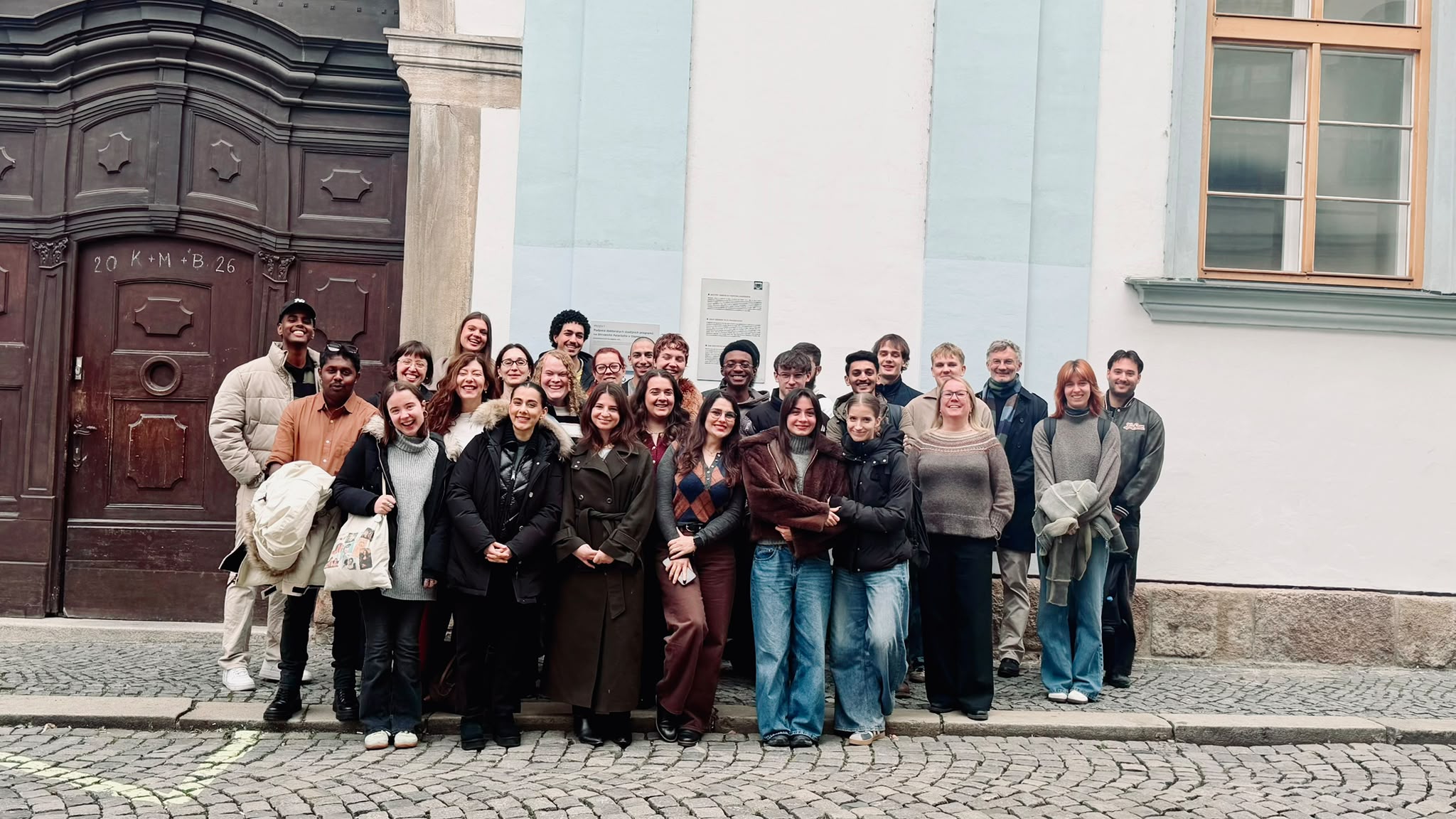
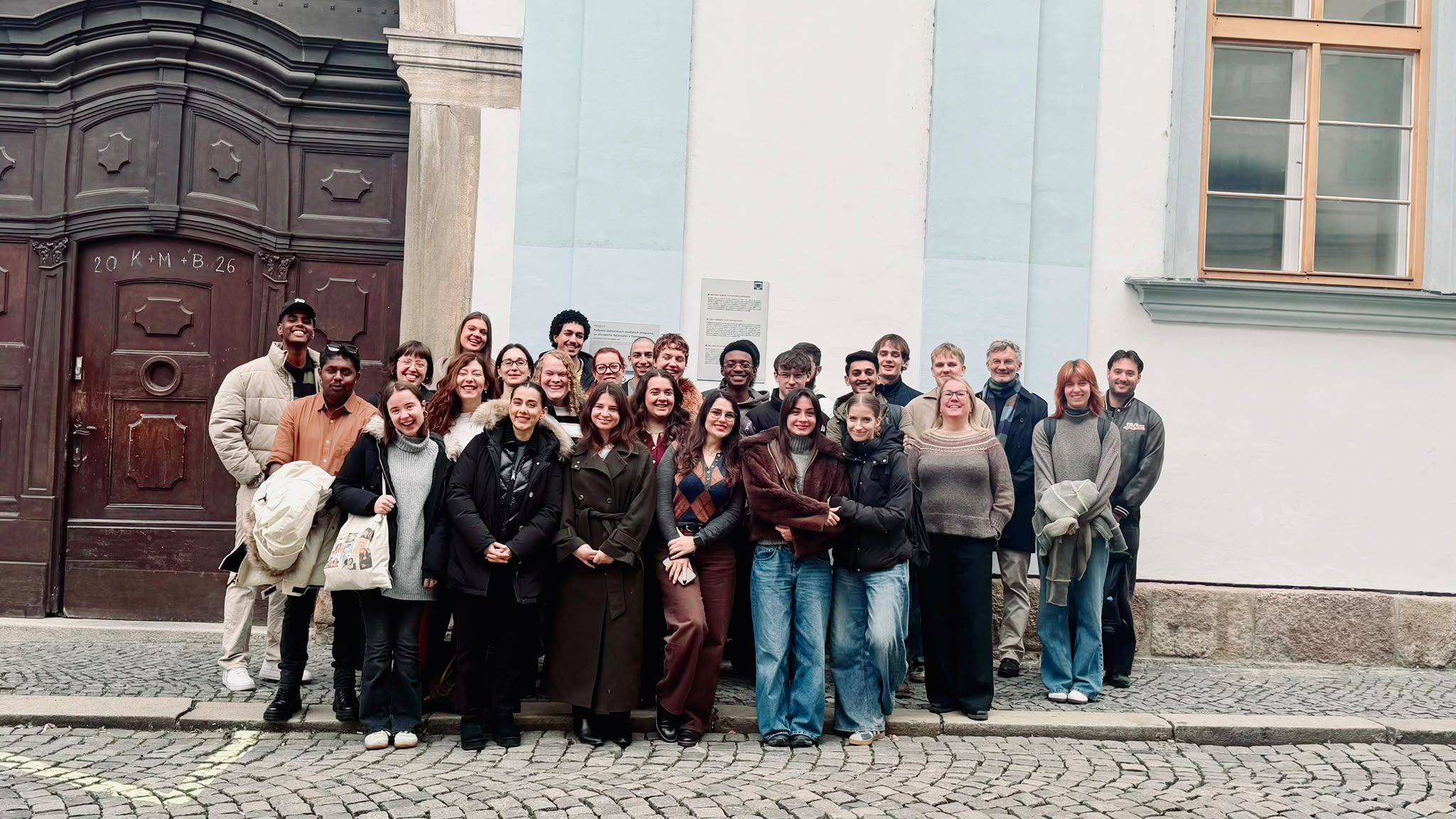
How does artificial intelligence influence our decisions? What risks are associated with the use of algorithms, and what does it take to make new technologies trustworthy? Students from European universities explored these questions during the international AI & Ethics course, hosted by Palacký University Olomouc in early November as part of the Aurora European university alliance.
The Blended Intensive Programme (BIP) was organised by the Sts Cyril and Methodius Faculty of Theology at Palacký University in cooperation with Vrije Universiteit Amsterdam, including Amsterdam University College, and the University of Iceland. Combining online learning with an in-person component, the course focused on the ethical and societal challenges associated with the development of artificial intelligence.
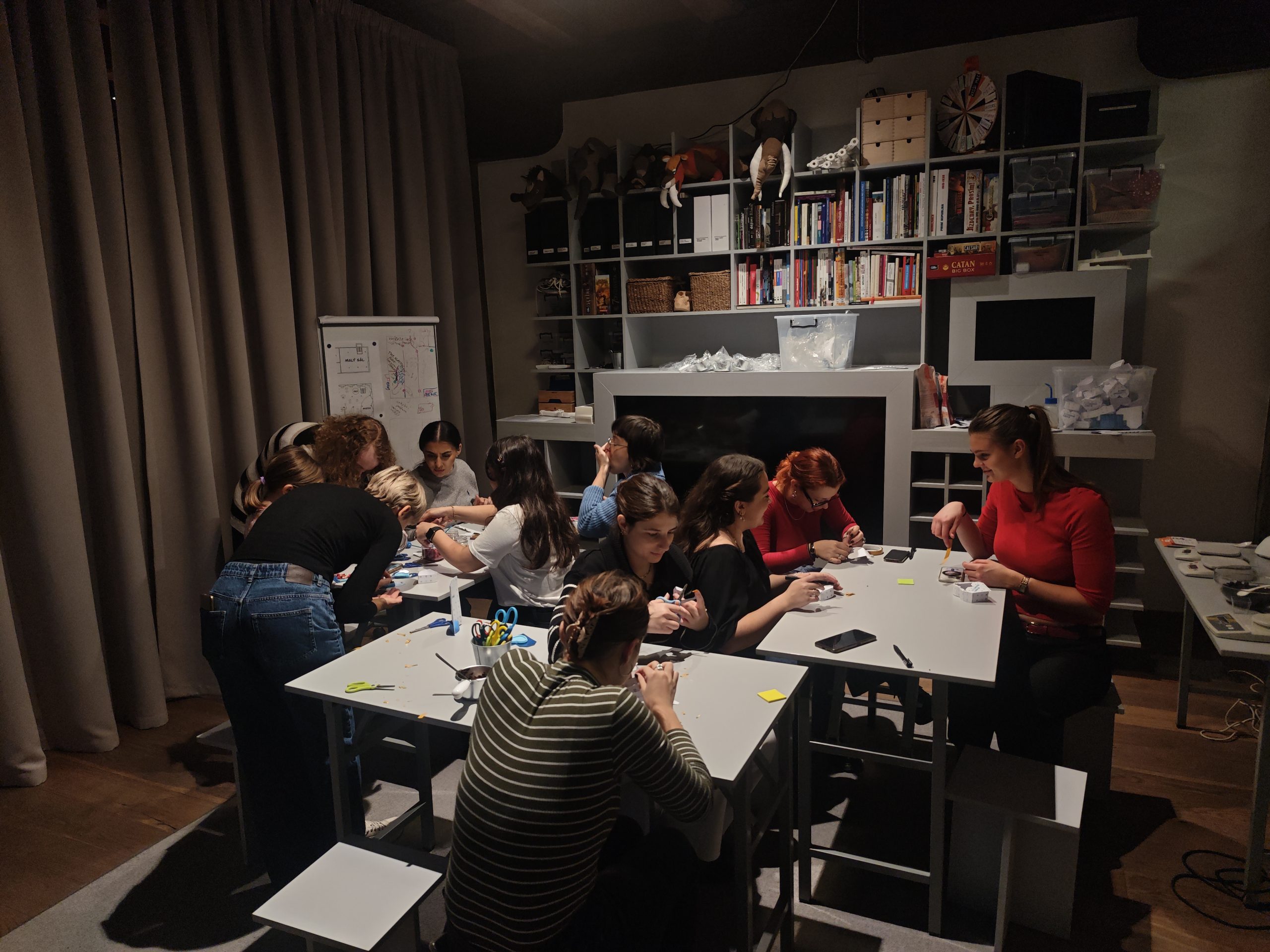
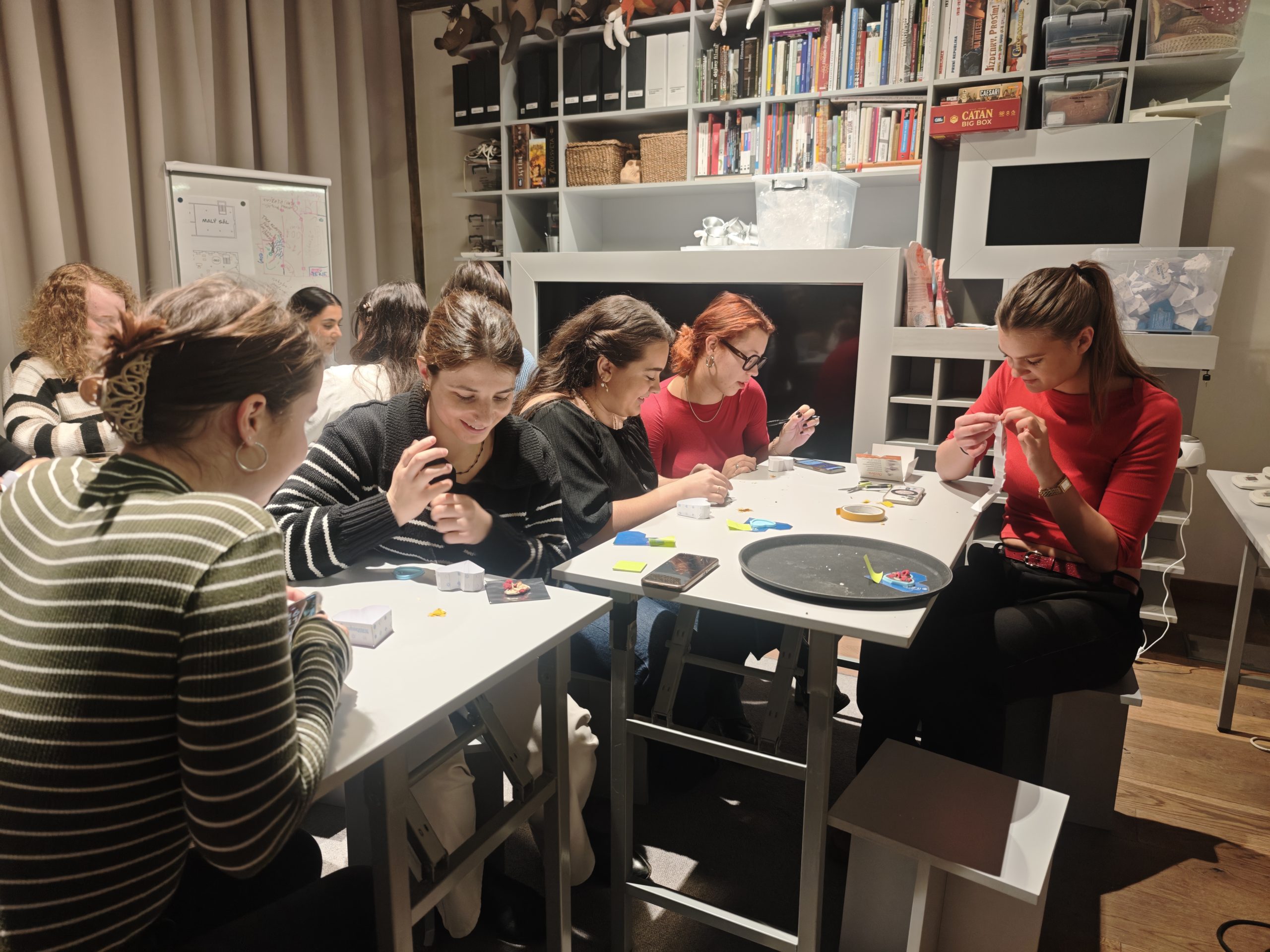
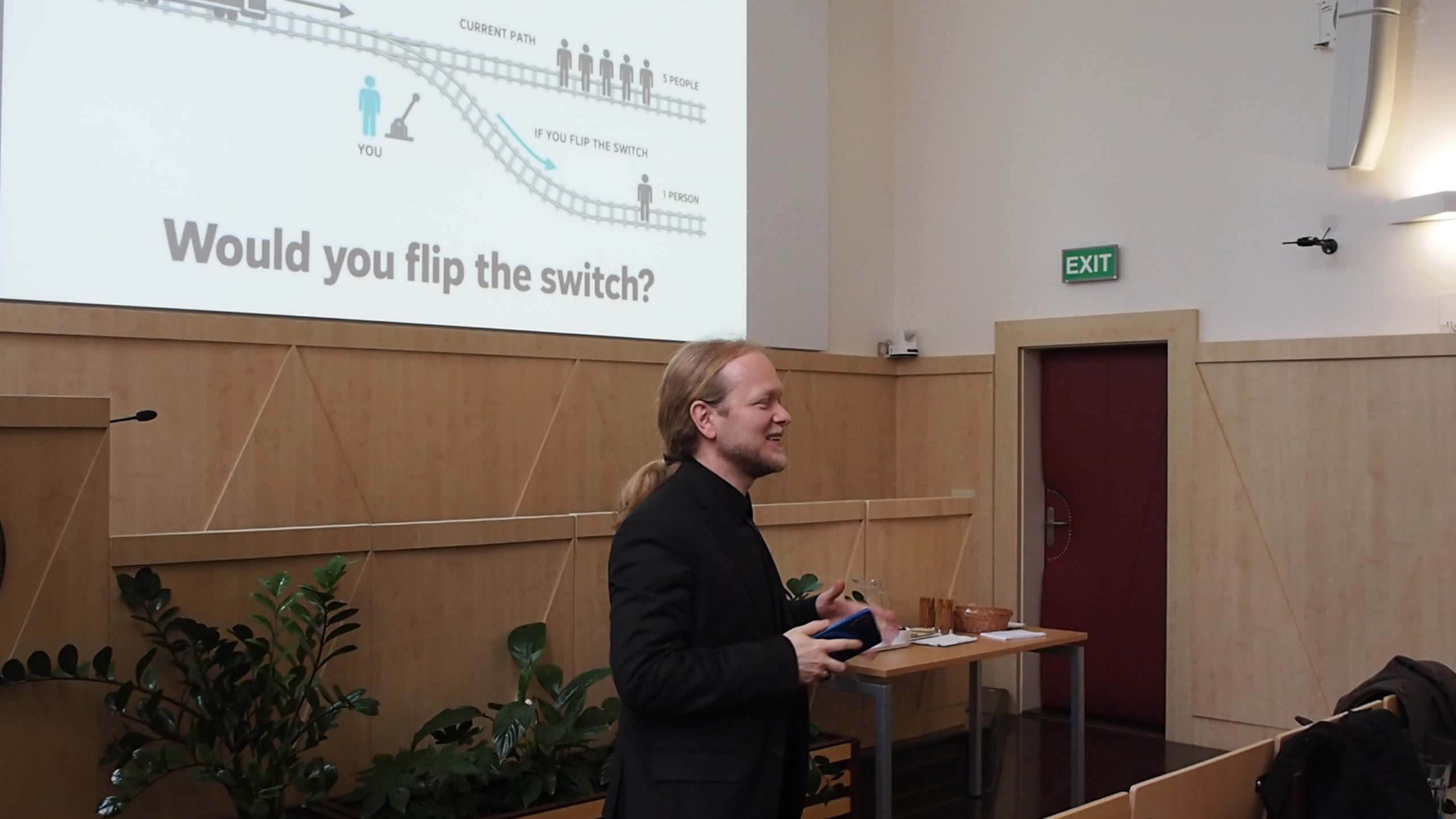
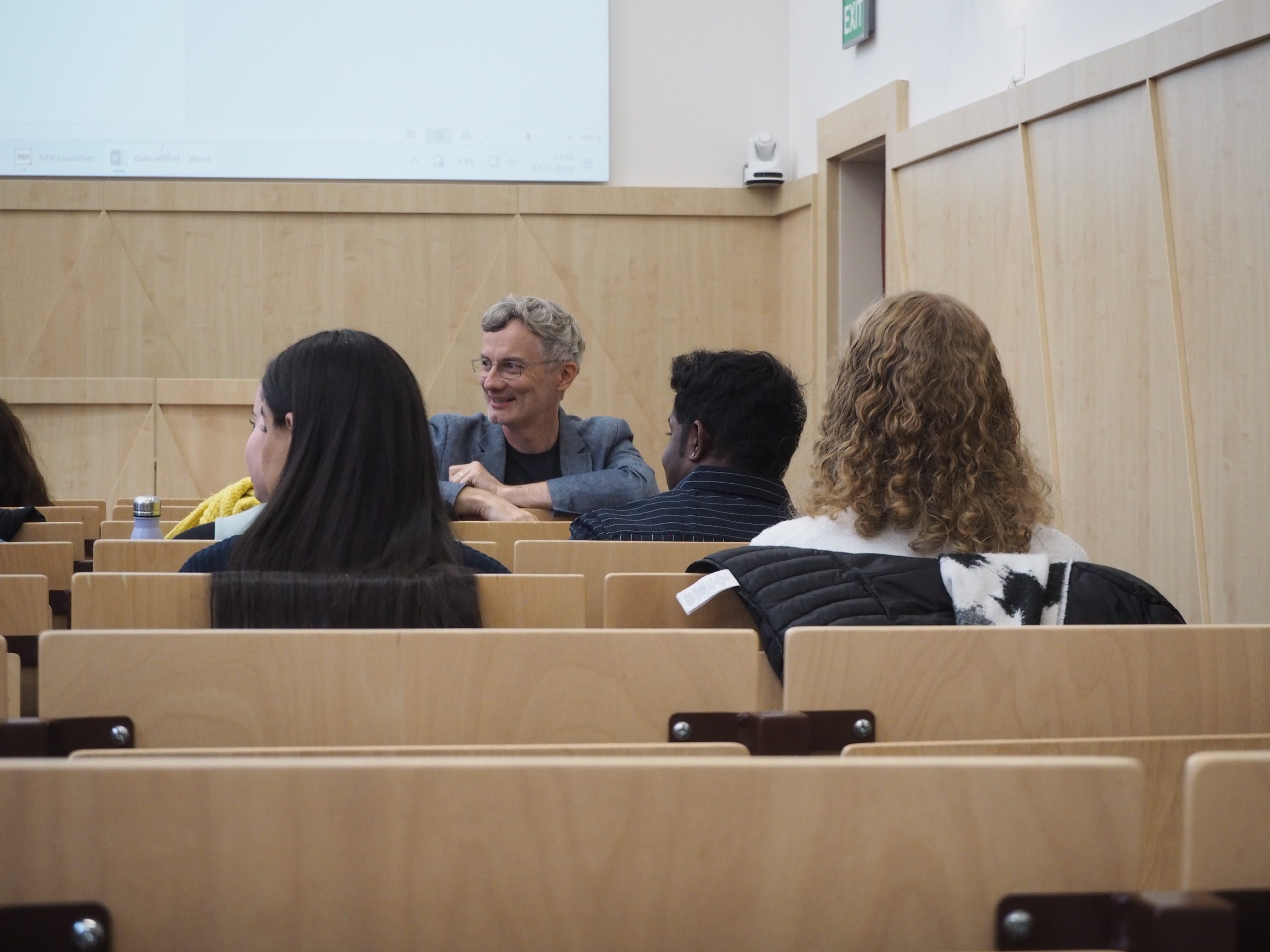
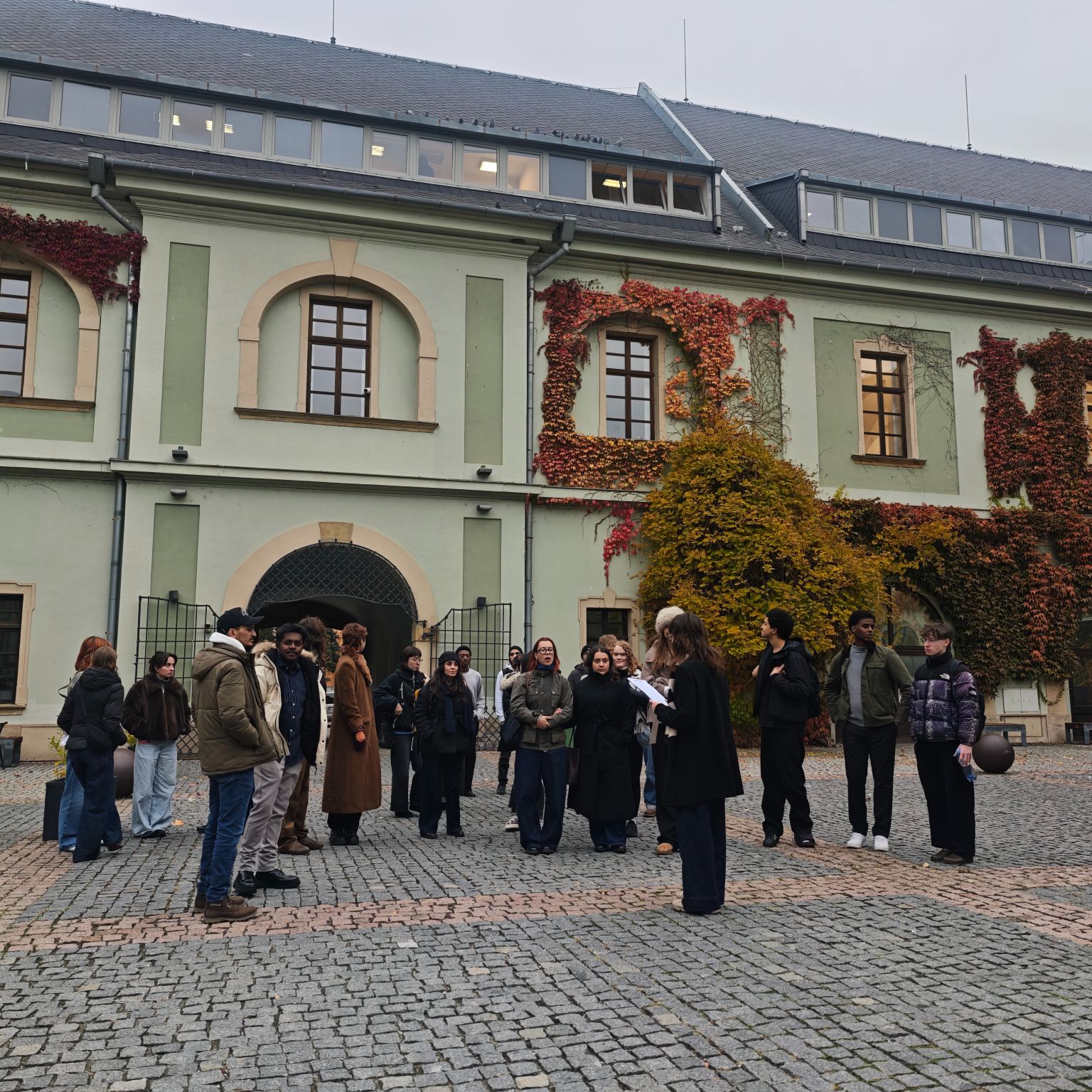
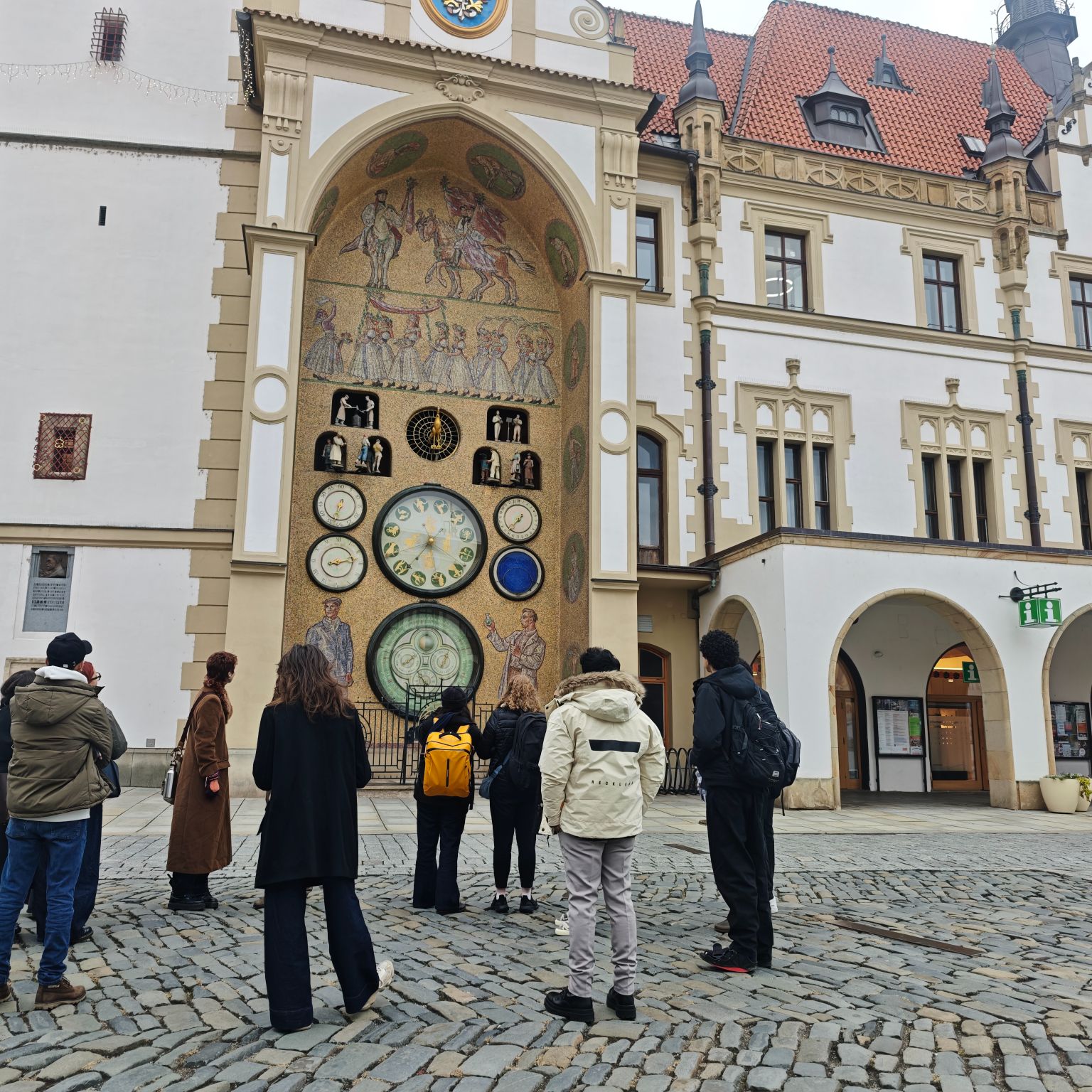
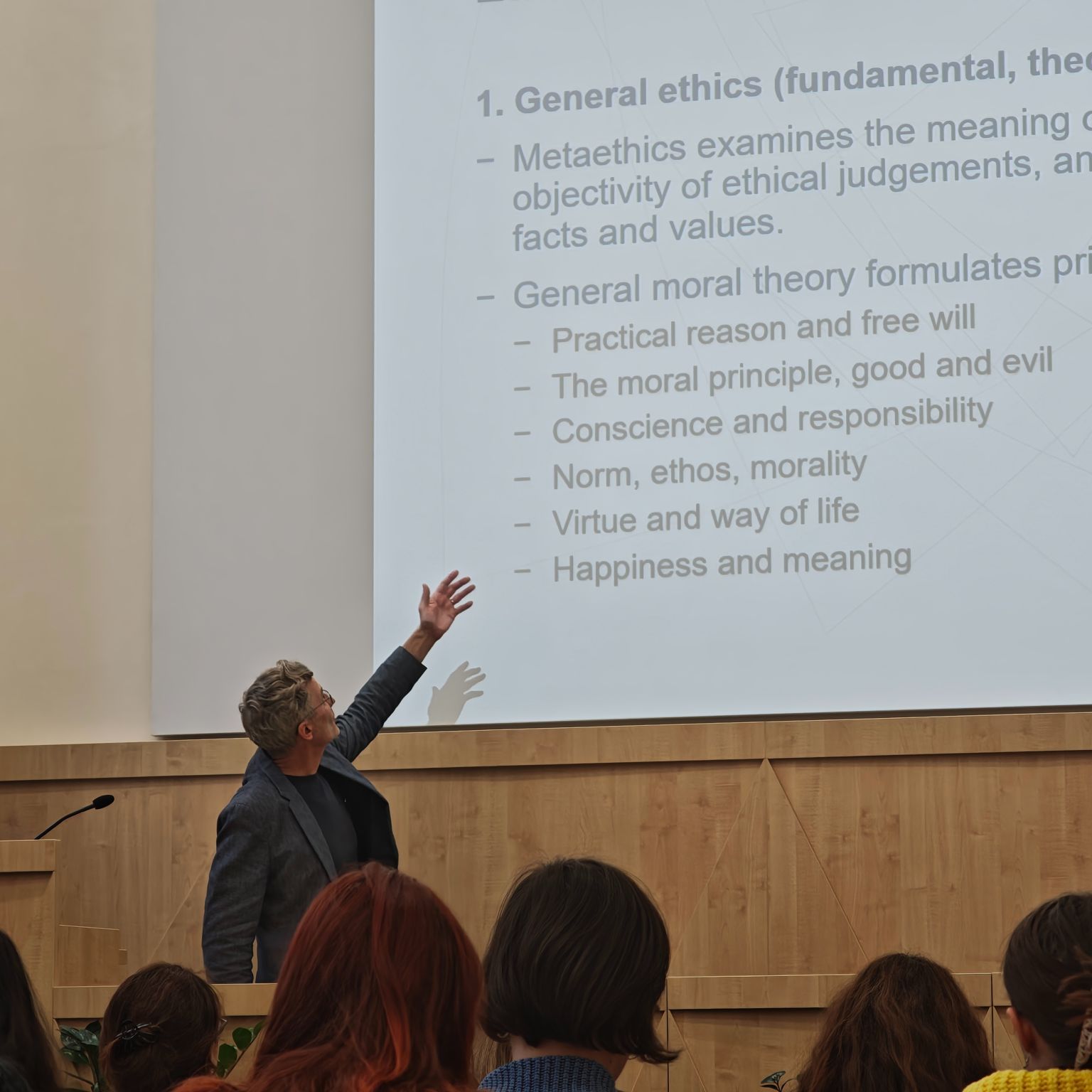
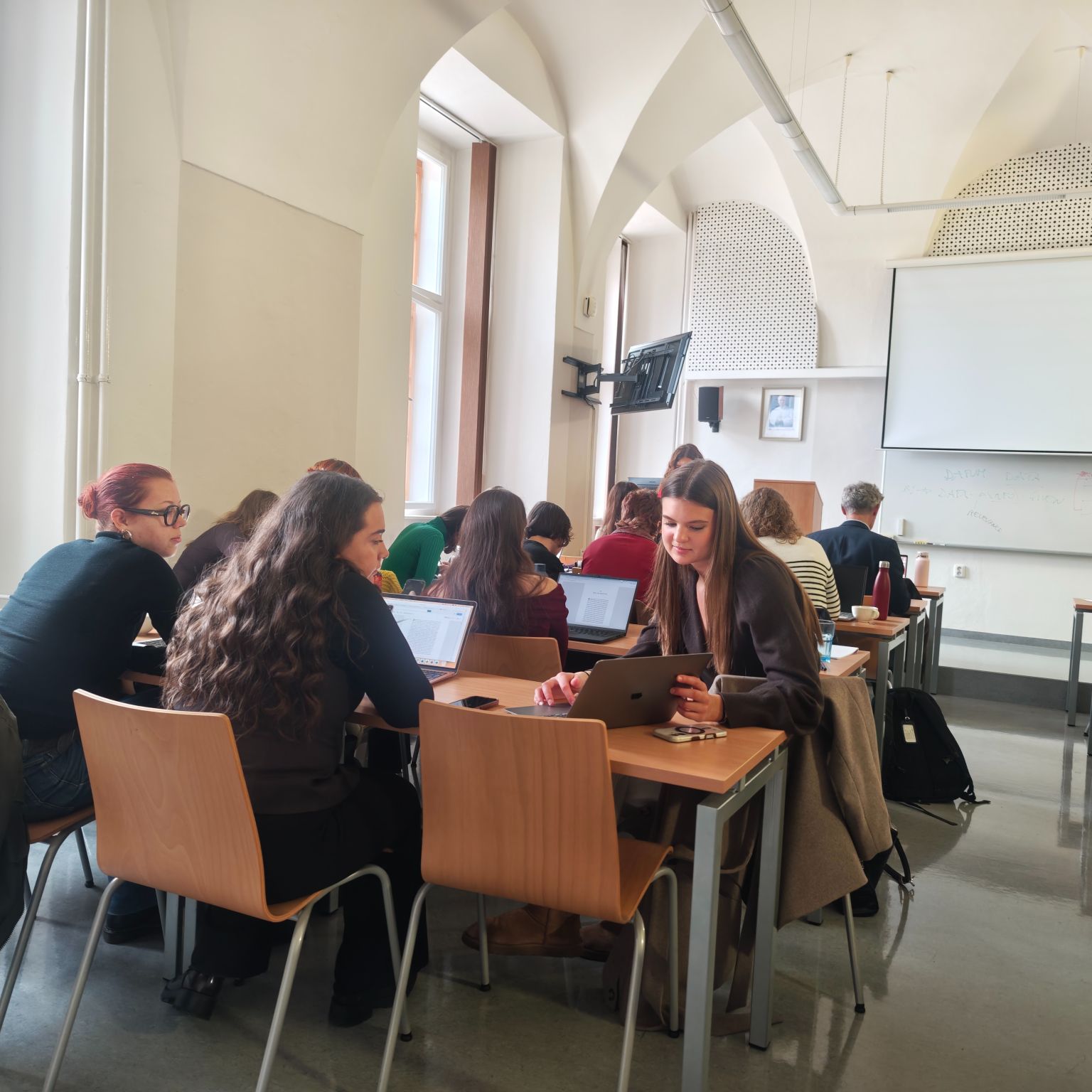
Following introductory online sessions in October, participants gathered in Olomouc from 2 to 6 November. Through lectures, workshops and discussions, they explored topics such as the use of algorithms in predictive policing, the risk of discrimination resulting from algorithmic bias, human autonomy and responsible AI governance. They also examined data sovereignty and the capabilities and limitations of large language models.
Alongside gaining subject-specific knowledge, students developed skills to communicate complex technological and ethical issues to wider audiences. They were introduced to critical discourse analysis and audiovisual storytelling techniques and worked in international teams to develop their own projects, which they presented to fellow participants at the end of the week in Olomouc.
The programme will conclude with an online session in December, providing an opportunity for feedback and reflection on the knowledge and experience gained. Students will earn six ECTS credits upon successful completion of the course. The BIP in Olomouc offers another example of collaboration within the Aurora alliance, bringing together students and academics from European universities through joint teaching activities and encouraging interdisciplinary approaches to pressing societal challenges.