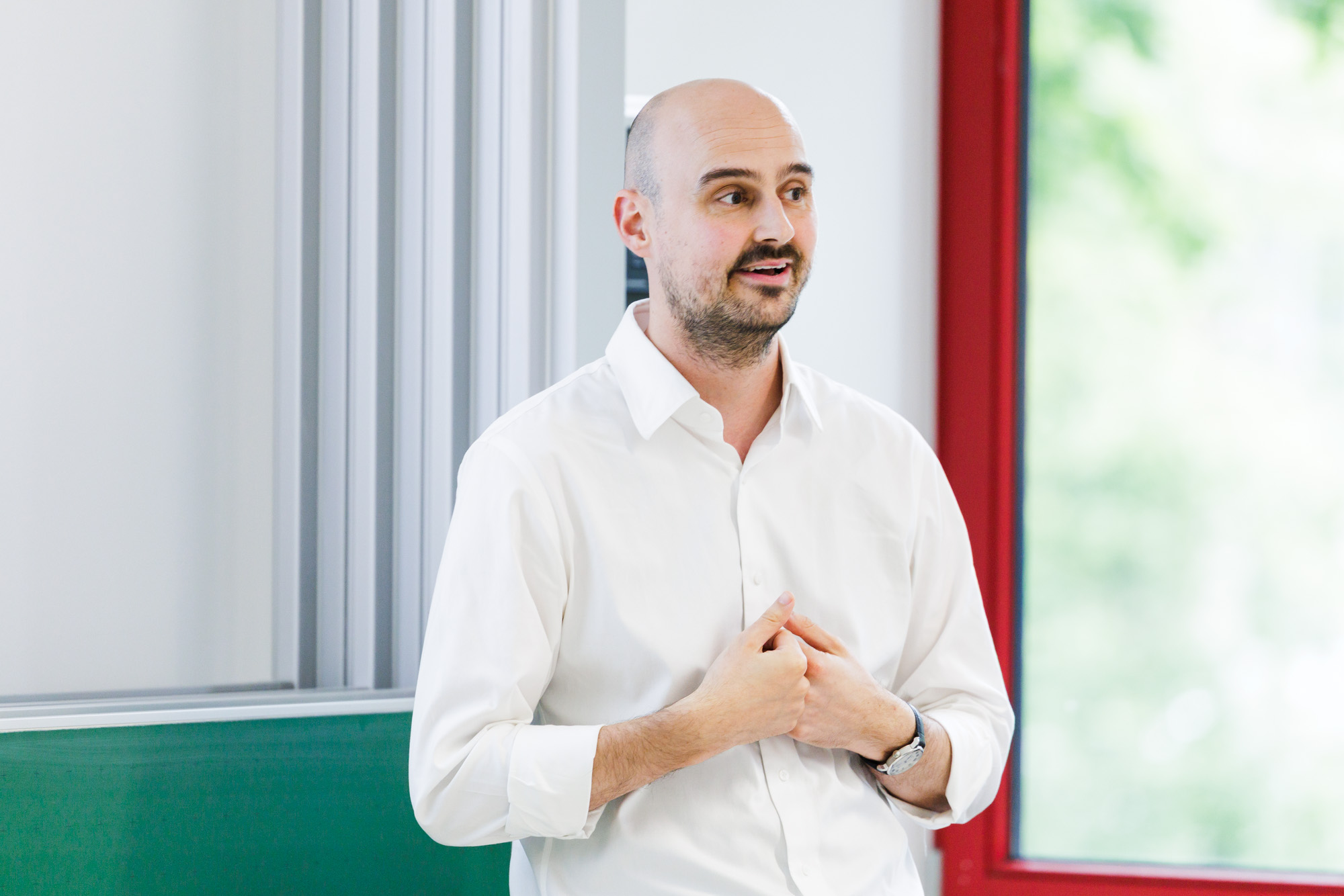
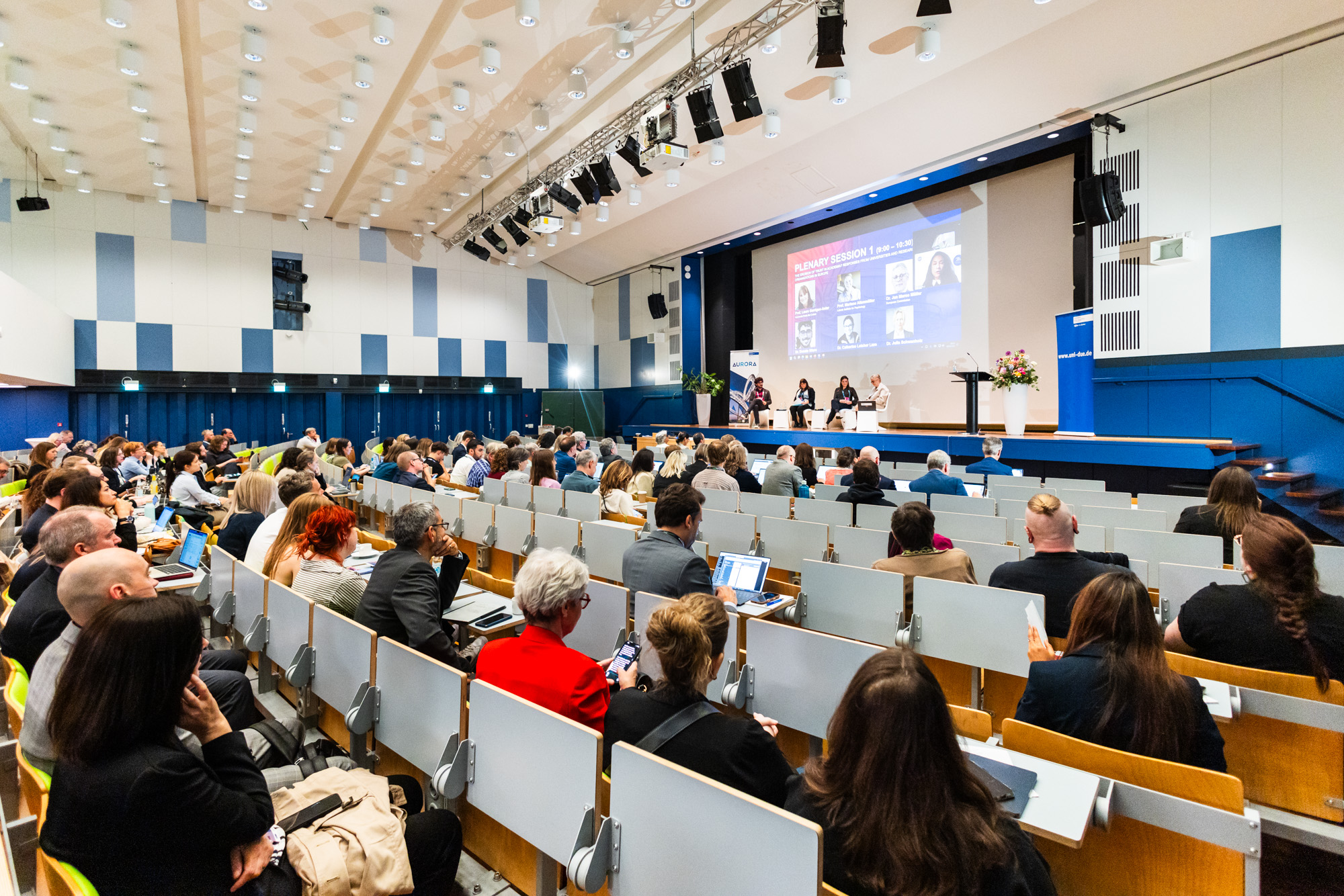
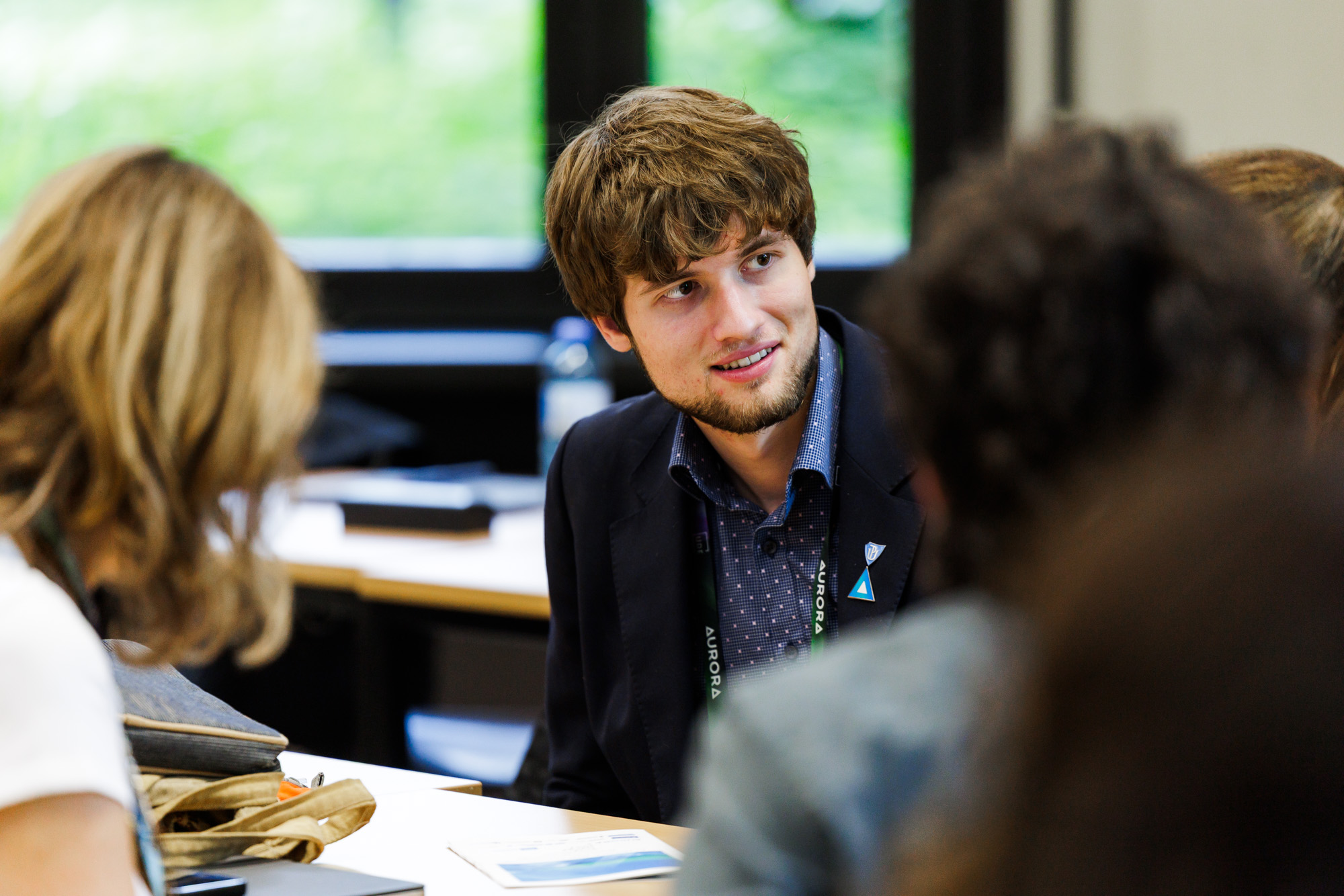
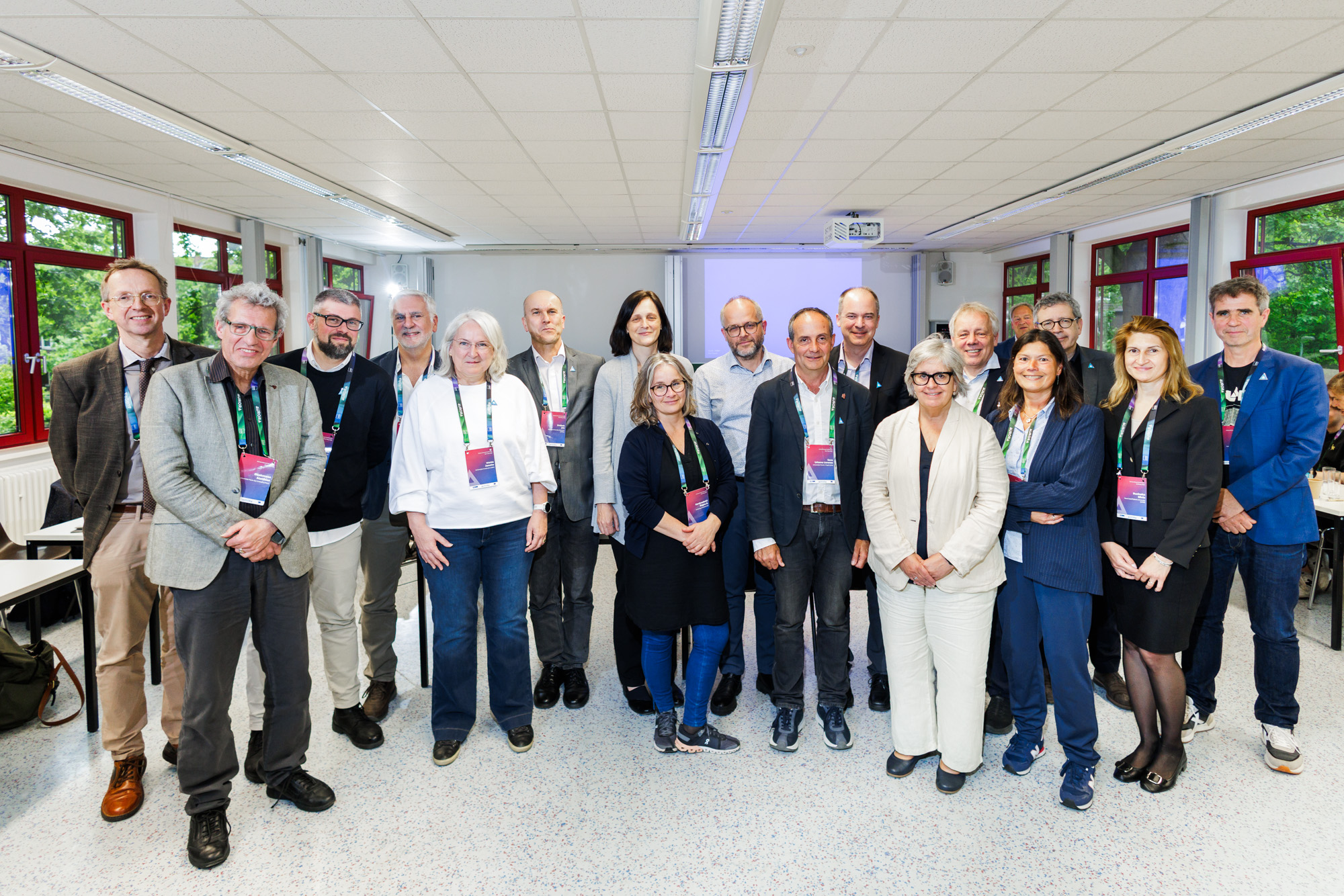
The Aurora Annual Conference 2026 in Duisburg-Essen combined a forward-looking debate on the future of European higher education with a celebration of ten years of cooperation within the Aurora Network. Key themes included trust in science, joint education, micro-credentials, research collaboration, student engagement, and the societal role of universities. Palacký University Olomouc was represented by members of the university leadership, the central Aurora team, and students.
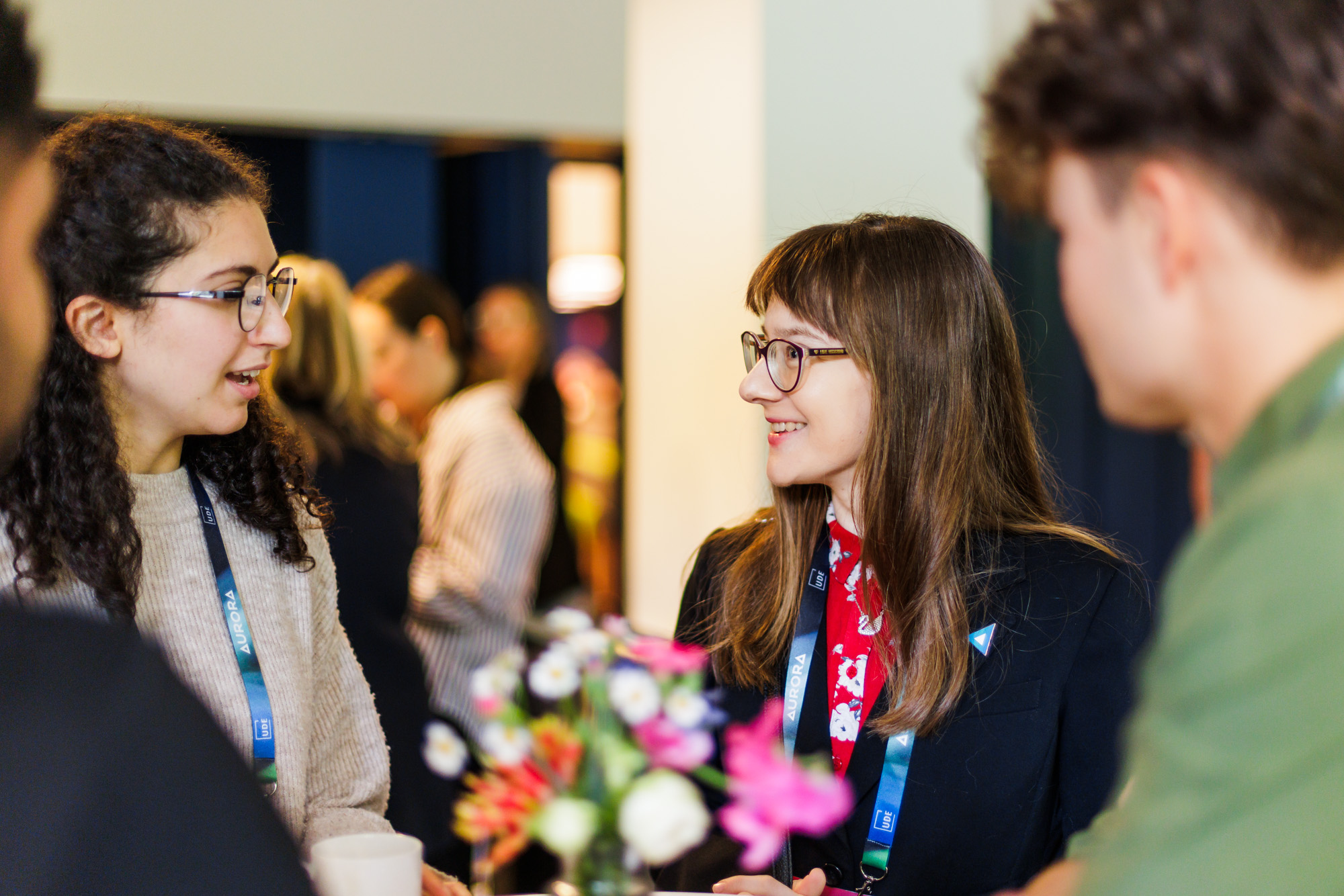
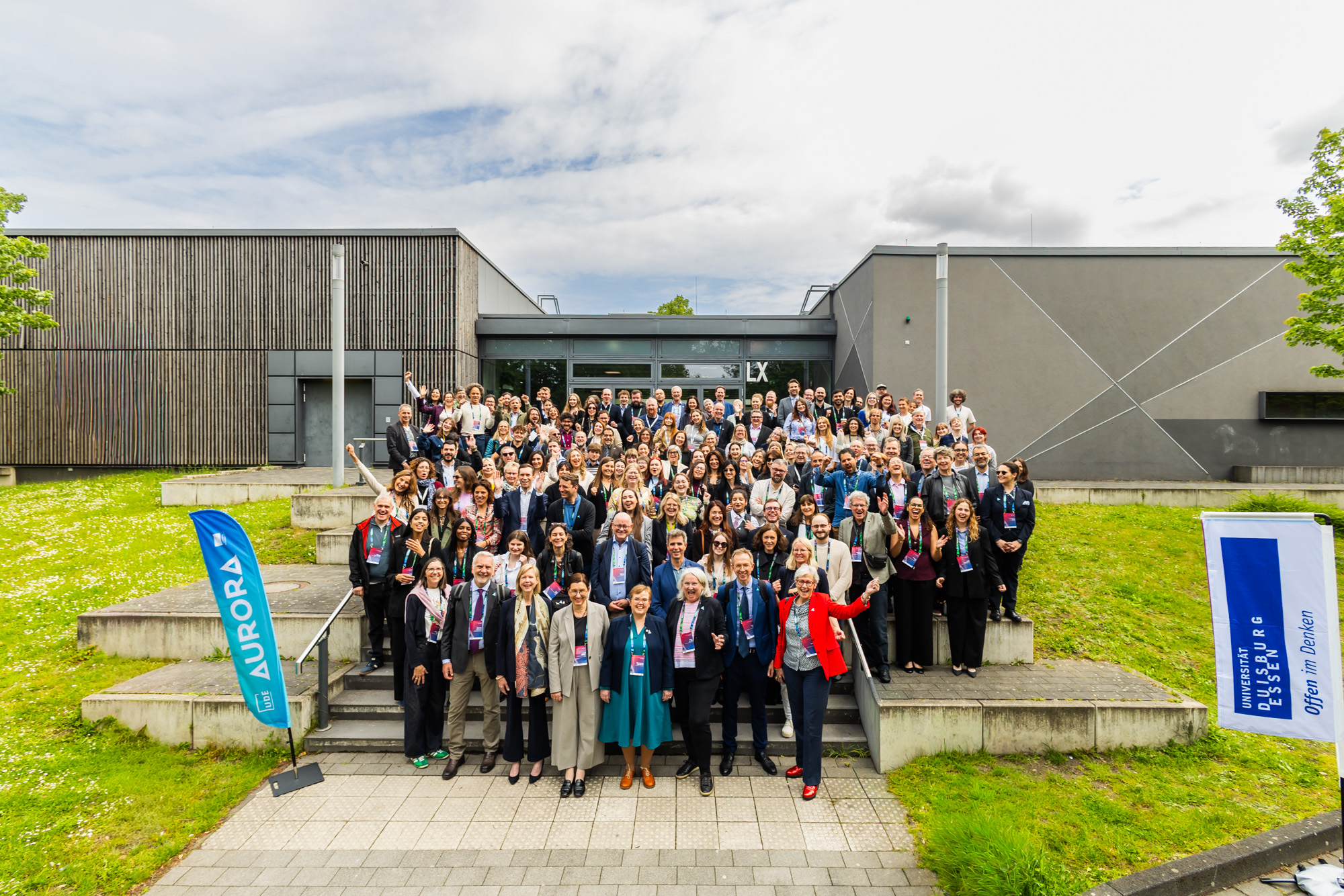
The conference welcomed nearly 200 participants from 15 universities and served as an important platform for discussing both the progress of the Aurora 2030 programme and the broader priorities of European higher education. It also marked a decade of collaboration within the Aurora Network. Over the course of four days, academics, students, staff, and other guests took part in plenary sessions, workshops, strategic meetings, and networking events addressing the challenges currently facing higher education.
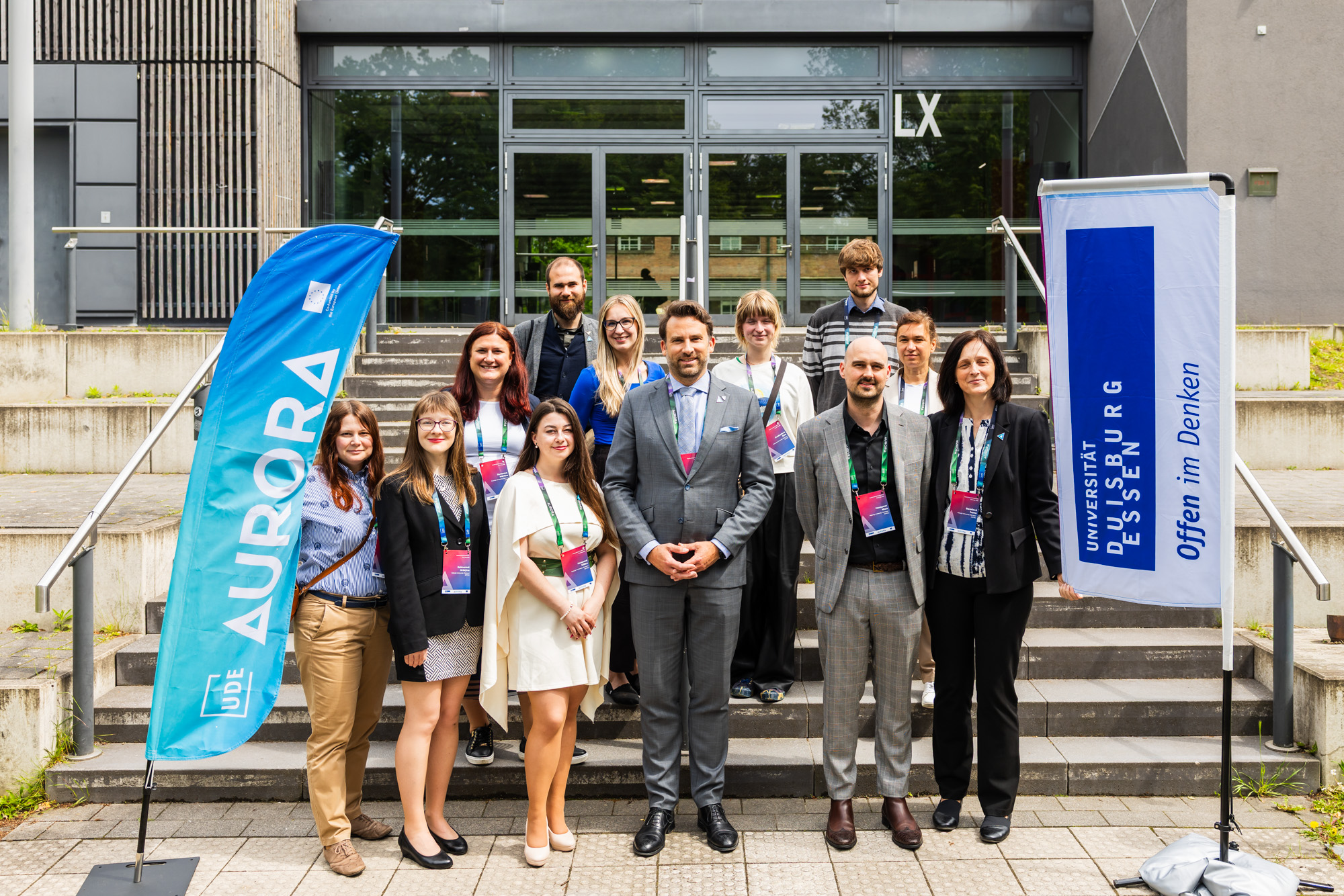
Palacký University Olomouc was represented at the conference by members of the central Aurora team at UP, as well as by a delegation from the university leadership. UP Rector Michael Kohajda met with rectors of partner universities and represented Palacký University at the Aurora General Council meeting. Further meetings were attended by Vice-Rector for Research, Creative Activities and Knowledge Transfer Jiří Drábek and Vice-Rector for International Relations Ivona Barešová, whose portfolio includes Aurora.
“After ten years of cooperation within the Aurora Network, Aurora is entering the next phase of its development. Building on the foundations laid in previous years, it is now developing concrete activities and initiatives that have a direct impact on students, academics, and other staff at partner universities,” said Ivona Barešová.
A Future Built on Trust
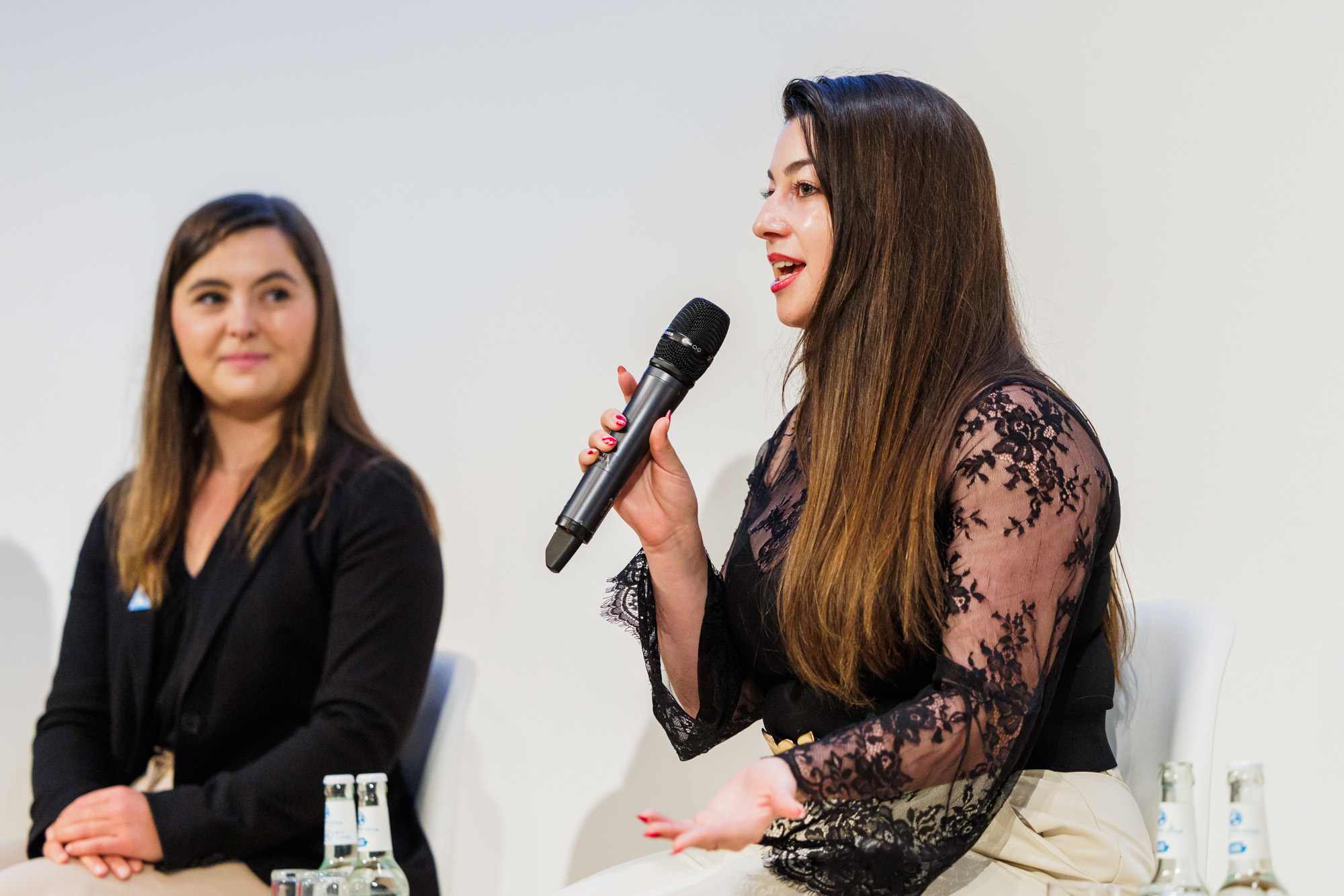
One of the central themes of the conference was the role of universities as trusted institutions. The opening panel featured renowned science communicator and chemist Dr Mai Thi Nguyen-Kim, who focused on the challenges of communicating science in an era of information overload and declining public trust. Her contribution opened a broader discussion on how universities can communicate more effectively with society, counter disinformation, and strengthen public trust in research and evidence-based decision-making.
Research, innovation, and entrepreneurship also featured prominently in the programme. Individual sessions explored topics such as open science, digital education, international mobility, civic engagement, and innovative entrepreneurship. One of Aurora’s key priorities for the coming period will be joint education, with a particular focus on supporting the development of joint study programmes that would allow students to obtain a degree linked to several partner universities.
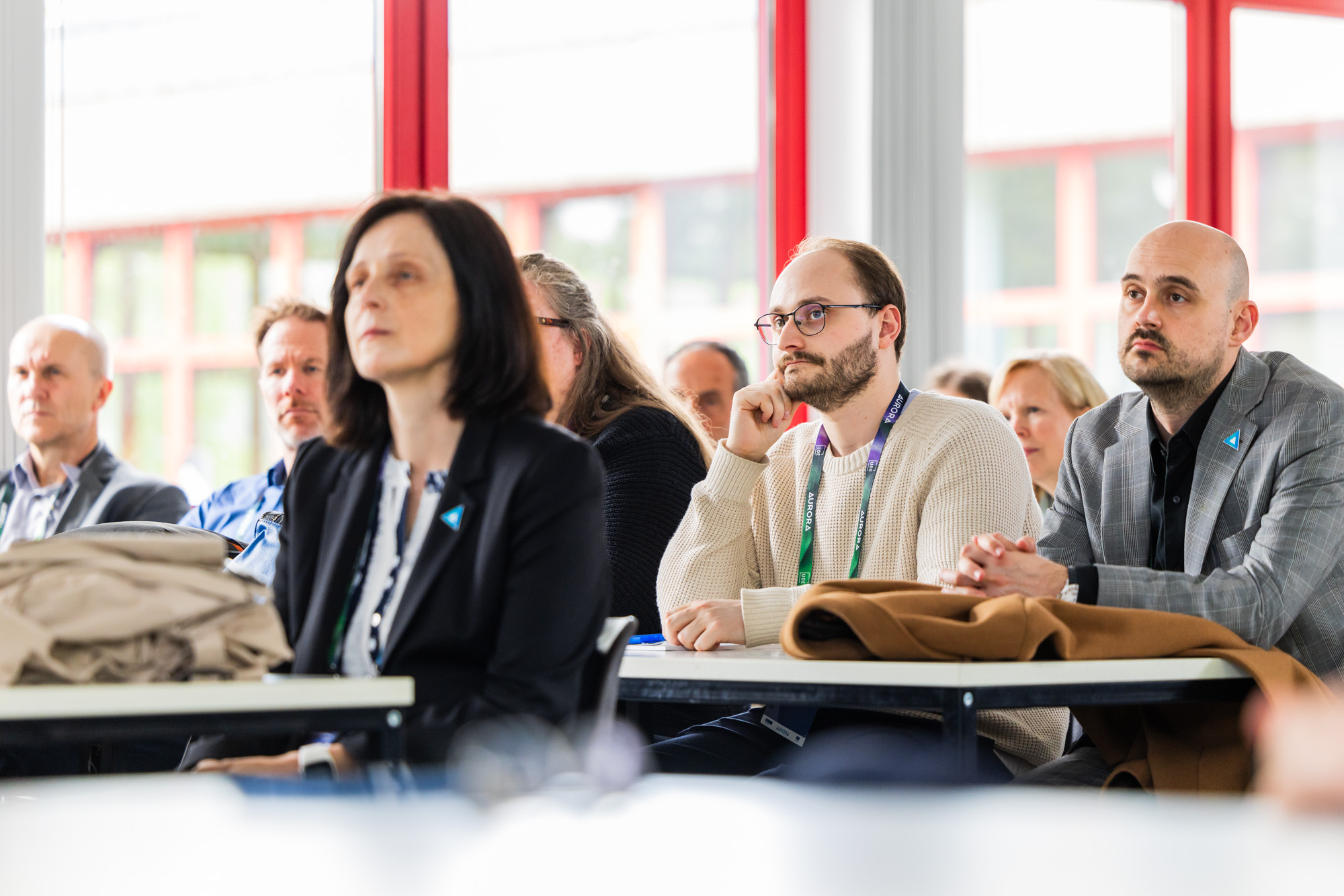
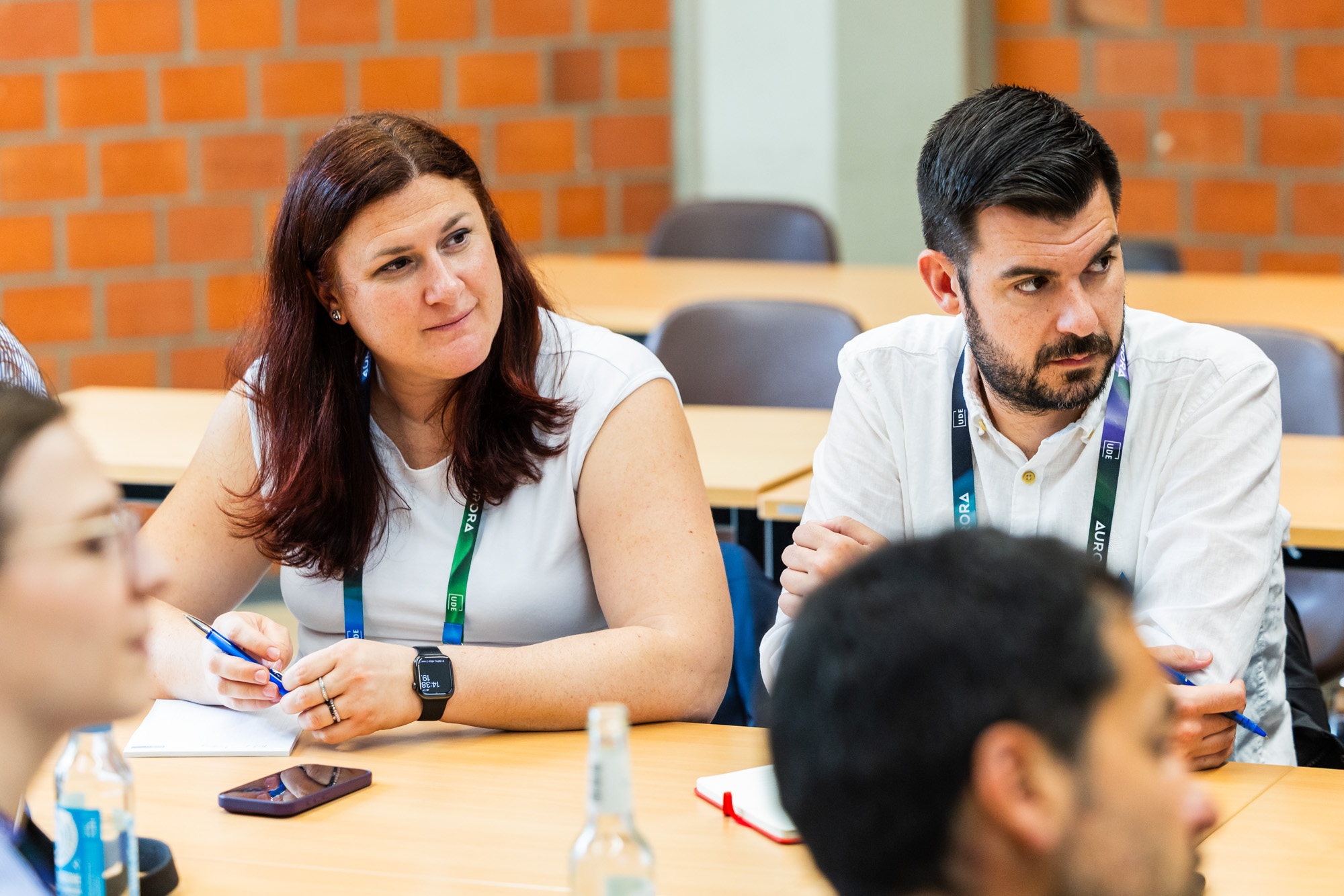
Another important area is the development of shorter, flexible learning formats leading to micro-credentials. The programme therefore included workshops dedicated to joint educational formats, micro-credentials, recognition of studies, blended intensive programmes, and digital certificates.

“Joint education and the sharing of expertise are essential if European university alliances are to deliver long-term impact. One of the main tasks for the coming period will therefore be to remove the legislative and administrative barriers that continue to hinder deeper cooperation among European universities,” said Ivona Barešová.
Students are an integral part of Aurora. During the conference, they met as part of the Aurora Student Council, took part in a dedicated plenary discussion, and contributed to other panels. Palacký University was represented by Eliška Karasová, a student of the UP Faculty of Arts and Vice-Chair of the Aurora Student Council, who spoke during the plenary session Aurora 2030 Midway: Achievements, Challenges, and the Road Ahead as well as in the panel Window into Student Representation.
Milestones and Achievements
An important moment of the conference was the handover of the Aurora presidency to Dr Margrethe Jonkman, Chair of the Executive Board of Vrije Universiteit Amsterdam. In her first speech as Aurora President, she underlined the importance of close cooperation among Aurora universities in a rapidly changing international environment. She also highlighted the partners’ shared commitment to education, knowledge sharing, research collaboration, and the contribution universities make to society.
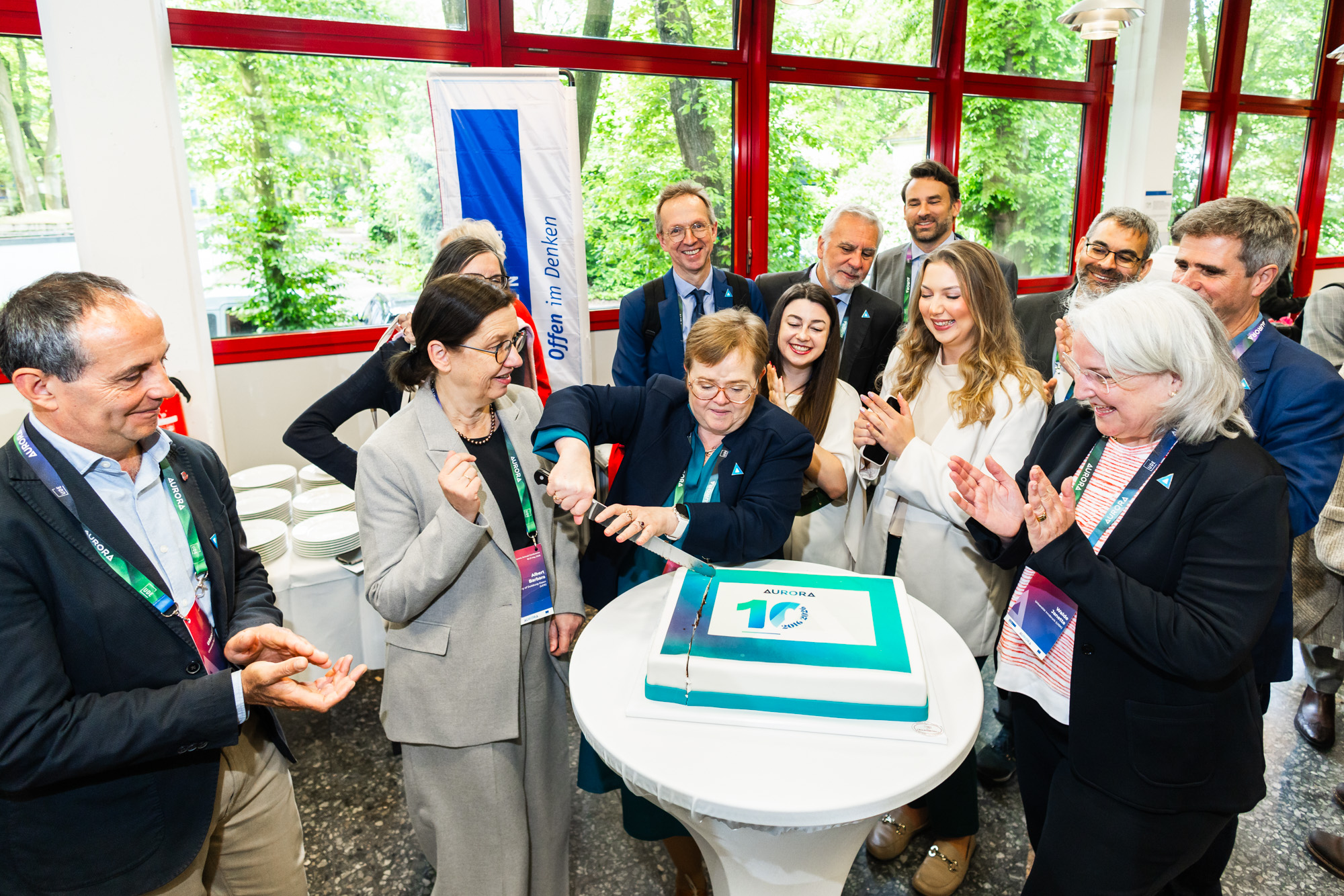
Although the conference focused primarily on future ambitions, it also offered an opportunity to reflect on Aurora’s achievements since its establishment in 2016. Over the past decade, Aurora has grown into a global network of universities that connect academic excellence with social responsibility through international cooperation, research, education, and active community engagement.
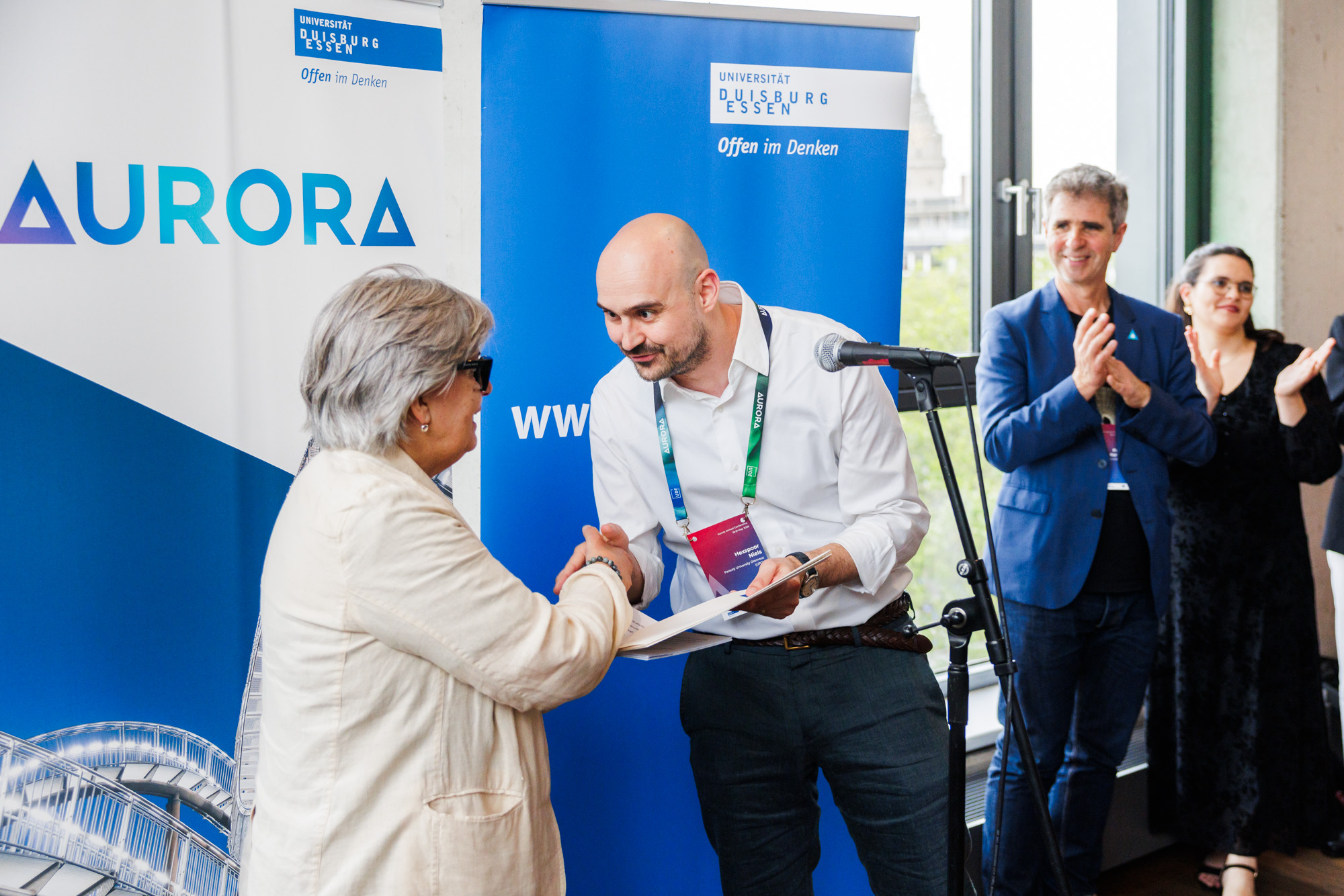
The meeting also provided an opportunity to recognise the work of Aurora Communities of Practice — thematic expert communities operating across the alliance. The Aurora CoP Awards highlight the inspiring work of teams that foster collaboration, sustainability, and societal impact within Aurora. During the closing ceremony, an award was presented to the Peace in Practice Across Universities community, which UP leads together with VU Amsterdam. The community brings together Aurora partners in research, teaching, and civic activities focused on peace and global citizenship.
The Aurora Annual Conference confirmed that the achievements of the first decade provide a strong foundation for the next stage of development. In the coming period, Aurora will focus not only on completing the current phase of the Aurora 2030 programme, but also on preparing a further two-year extension of its cooperation within the European Universities Initiative.
Further information about Aurora’s activities is available on the Aurora central website (aurora-universities.eu).